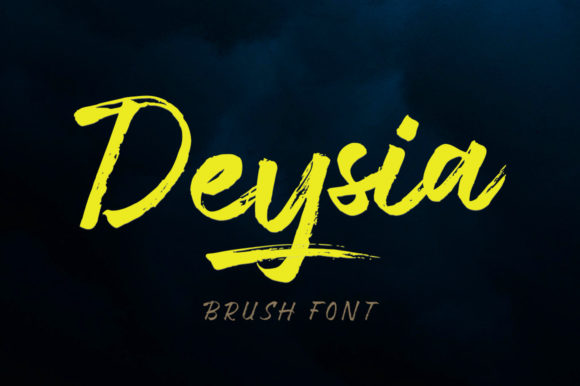
Deysia: The Brushed Handwritten Font for Authentic Brand Identity
Running a small business means wearing every hat. You are the CEO, the marketing manager, the customer support agent, and often the graphic designer too. In this chaotic environment, consistency is not just a design preference; it is a survival strategy. One of the most impactful ways to establish a professional, trustworthy brand identity without hiring an expensive agency is through smart typography choices. This is where Deysia, a chic brushed handwritten font, becomes an invaluable asset in your creative toolkit.
For entrepreneurs who want their brand to feel personal yet polished, Deysia offers the perfect balance. It is adaptable, cool, and designed to enhance each of your creations with a touch of modern elegance. Whether you are launching a new boutique, rebranding your online shop, or simply trying to make your social media graphics stand out, understanding how to use this script font effectively can transform your visual presence.
Why Personality Matters in Business Typography
In a crowded digital marketplace, customers do not just buy products; they buy into a feeling. A clean, sterile logo might look professional, but it often fails to create an emotional connection. Conversely, a overly messy or illegible typeface can confuse potential clients. Deysia solves this problem by bringing a "brushed" aesthetic that feels hand-crafted and authentic. The slight irregularities in the strokes mimic the natural movement of a brush, which instantly signals to your audience that there is a human behind the brand.
This approach is particularly effective for service providers, handmade product sellers, and lifestyle brands. When a customer sees a font like Deysia on a coffee bag, a skincare label, or a coaching website header, they subconsciously associate the brand with care, attention to detail, and creativity. It helps your business look more recognizable because it breaks away from the sea of generic sans serif fonts used by corporate competitors. By choosing a creative font that reflects your unique voice, you build a stronger bond with your target customers right from the first glance.
Real-World Applications for Small Businesses
The versatility of Deysia allows it to shine across various touchpoints in your business ecosystem. Here is how you can practically apply this Script Handwritten font to different materials:
- Logo Design and Branding: Use Deysia as the primary element in your logo if your brand name is short (two to four words). Its expressive nature makes it memorable. For longer names, consider using Deysia for the main brand word and pairing it with a simple sans serif font for the tagline to ensure clarity.
- Packaging Design: For boutique owners selling candles, soaps, or baked goods, packaging is your silent salesperson. A handwritten accent font adds a premium, artisanal feel. Imagine Deysia elegantly scripted across a minimalist kraft paper box or a sleek glass jar. It elevates the perceived value of the product.
- Social Media Graphics: Instagram and Pinterest are visual-first platforms. Using Deysia for quotes, announcements, or sale banners can stop the scroll. Because it has a distinct personality, it grabs attention faster than standard text. However, keep the body text clean and readable to maintain accessibility.
- Digital Ads and Banners: When running paid ads on Facebook or Google, your headline needs to be catchy. A display font like Deysia can serve as a powerful headline anchor, drawing the eye immediately to your offer while keeping the call-to-action button clear and functional.
- Customer-Facing Materials: Don’t forget the little details. Thank-you cards included in shipments, stickers on envelopes, and even your café menu or restaurant flyer can benefit from this font. These moments of delight reinforce your brand’s personality and encourage repeat business.
Strategic Font Pairing for Professional Results
One common mistake small business owners make is relying solely on one decorative font for everything. While Deysia is beautiful, it is best used as a headline or display font rather than for long paragraphs of text. To maintain readability and professionalism, you need to pair it correctly.
The golden rule of typography is contrast. Since Deysia is a creative, flowing script, it pairs exceptionally well with clean, structured typefaces. Consider these combinations:
- Deysia and a Clean Sans Serif: Pairing the organic curves of Deysia with a geometric sans serif font (like Helvetica, Montserrat, or Lato) creates a modern, balanced look. This is ideal for tech startups, fashion boutiques, or contemporary cafes. The sans serif handles all the informational text, ensuring your customers can read prices and descriptions easily.
- Deysia and a Classic Serif: If your brand leans towards luxury, heritage, or editorial styles, pair Deysia with a traditional serif font. This combination feels sophisticated and timeless. It works beautifully for wedding planners, high-end beauty brands, or literary agencies.
By mixing these typefaces, you create visual hierarchy. Your eyes are drawn to the Deysia headlines first, then naturally flow down to the supporting text. This structure guides your customer through your message logically, reducing cognitive load and increasing engagement.
Readability and Practical Testing
Before committing to Deysia for your entire brand identity, it is crucial to test its legibility in real-world scenarios. A font that looks stunning on a large computer monitor might become illegible when scaled down for a mobile screen or printed on a tiny product label.
Start by creating mockups. Place your logo or key messages on images of actual products. Check how Deysia performs on dark backgrounds versus light backgrounds. Ensure that the "brushed" edges do not blur when printed at small sizes. If you are designing for web design, test the font loading speed and how it renders on different devices. Remember, a beautiful font that cannot be read clearly will frustrate your users and hurt your conversion rates.
Additionally, consider the context of your industry. A playful, loose handwritten style might be perfect for a children’s toy store or a casual brunch spot, but it may undermine the seriousness required for a financial consulting firm or a medical practice. Always align your font choice with the expectations of your specific niche.
Licensing and Commercial Use
As a business owner, protecting your intellectual property and avoiding legal issues is paramount. Fonts are software, and they come with specific licensing agreements. Before you use Deysia on any commercial product, including merchandise, templates, client work, or digital downloads, you must check the commercial font license.
Most premium fonts require a separate license for commercial use compared to personal projects. Ensure you have the rights to use the font on packaging, websites, and social media graphics. Proper licensing protects your business from costly lawsuits and ensures you are supporting the designers who created this valuable design asset. Many foundries offer straightforward commercial licenses that allow unlimited usage across multiple projects, making it a cost-effective investment for growing businesses.
Conclusion
Choosing the right typeface is a strategic decision that influences how your audience perceives your credibility and style. Deysia, with its chic brushed handwritten appeal, offers small business owners a powerful tool to inject personality and warmth into their brand. By using it strategically alongside complementary fonts and testing it thoroughly across your marketing materials, you can create a cohesive, professional, and memorable brand identity that resonates with customers. Let yourself be amazed by the difference a single, well-chosen font can make in your everyday business operations.